

Training legal requirements Ireland employers must meet are spread across several pieces of legislation. The Safety, Health and Welfare at Work Act 2005 places a duty on every employer to provide instruction, training, and supervision to protect employees. Furthermore, the Safety, Health and Welfare at Work (General Application) Regulations 2007 set out specific obligations that apply across virtually every workplace in Ireland. As a result, employers who ignore these requirements face HSA enforcement action, fines, and increased liability.
Training Legal Requirements Ireland: The Five Courses Every Employer Needs
Five courses cover the core training legal requirements Ireland businesses must address. Moreover, each carries specific renewal obligations, a one-off session is not enough. Because requirements vary by role and activity, not every employee needs every course. However, most Irish businesses need at least three of the five.
1. Manual Handling: Ireland's Most Widely Required Training
Chapter 4 of the Safety, Health and Welfare at Work (General Application) Regulations 2007 requires employers to provide manual handling training to any employee who lifts, carries, pushes, or pulls loads. Hotels, offices, warehouses, crèches, and nursing homes all fall under this obligation. Consequently, manual handling is the most widely required training course in Ireland. In addition, it is one of the most common causes of workplace injury, so the course protects your staff as well as your legal position.
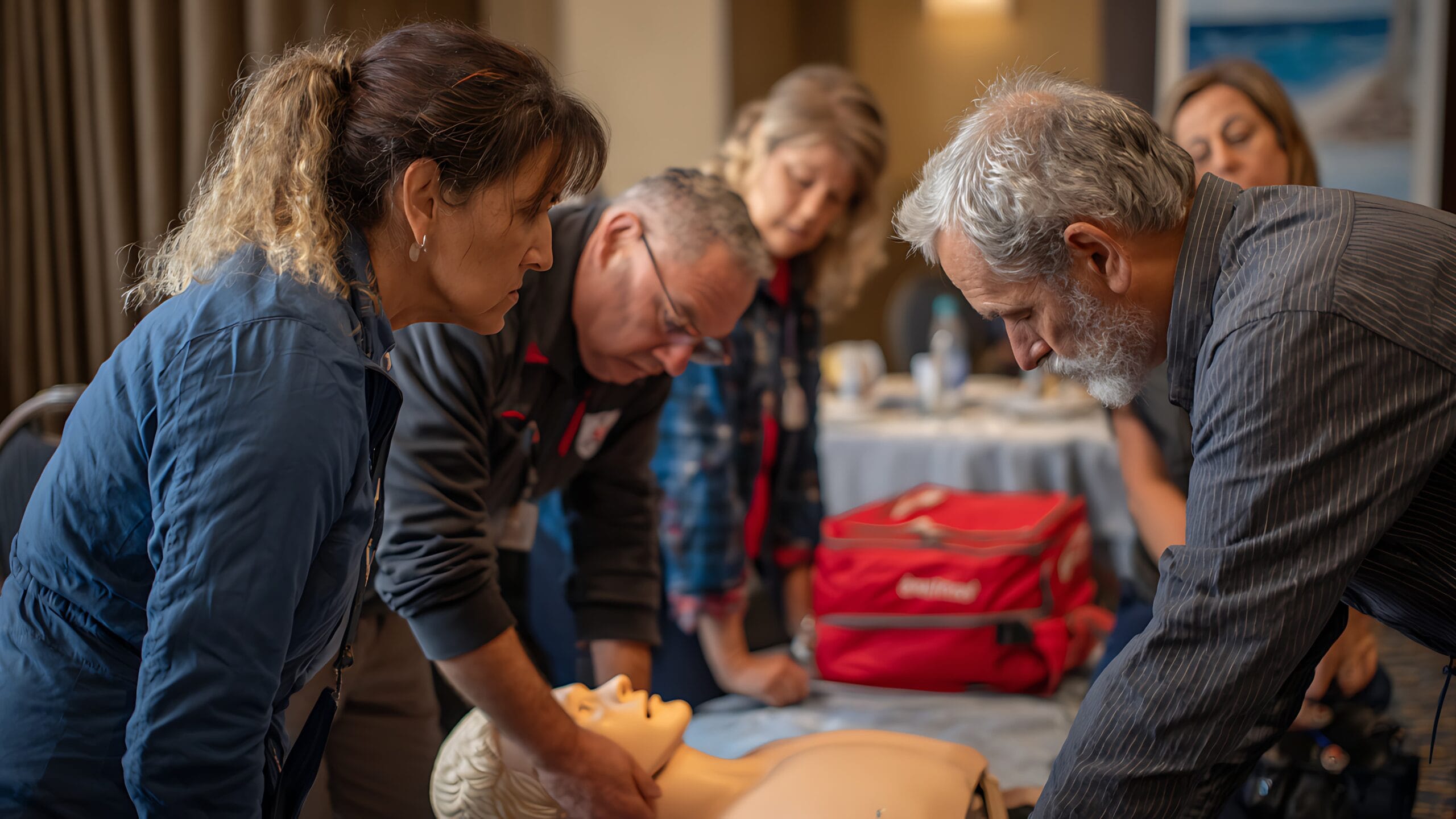
2. First Aid Response (FAR)
The Safety, Health and Welfare at Work (General Application) Regulations 2007 require employers to provide trained first aiders in every workplace. The Pre-Hospital Emergency Care Council (PHECC) sets the certification standard for First Aid Response in Ireland. Moreover, FAR certificates must renew every two years, making this one of the highest-demand recurring courses for Irish employers. Therefore, businesses should track renewal dates carefully to avoid gaps in compliance.
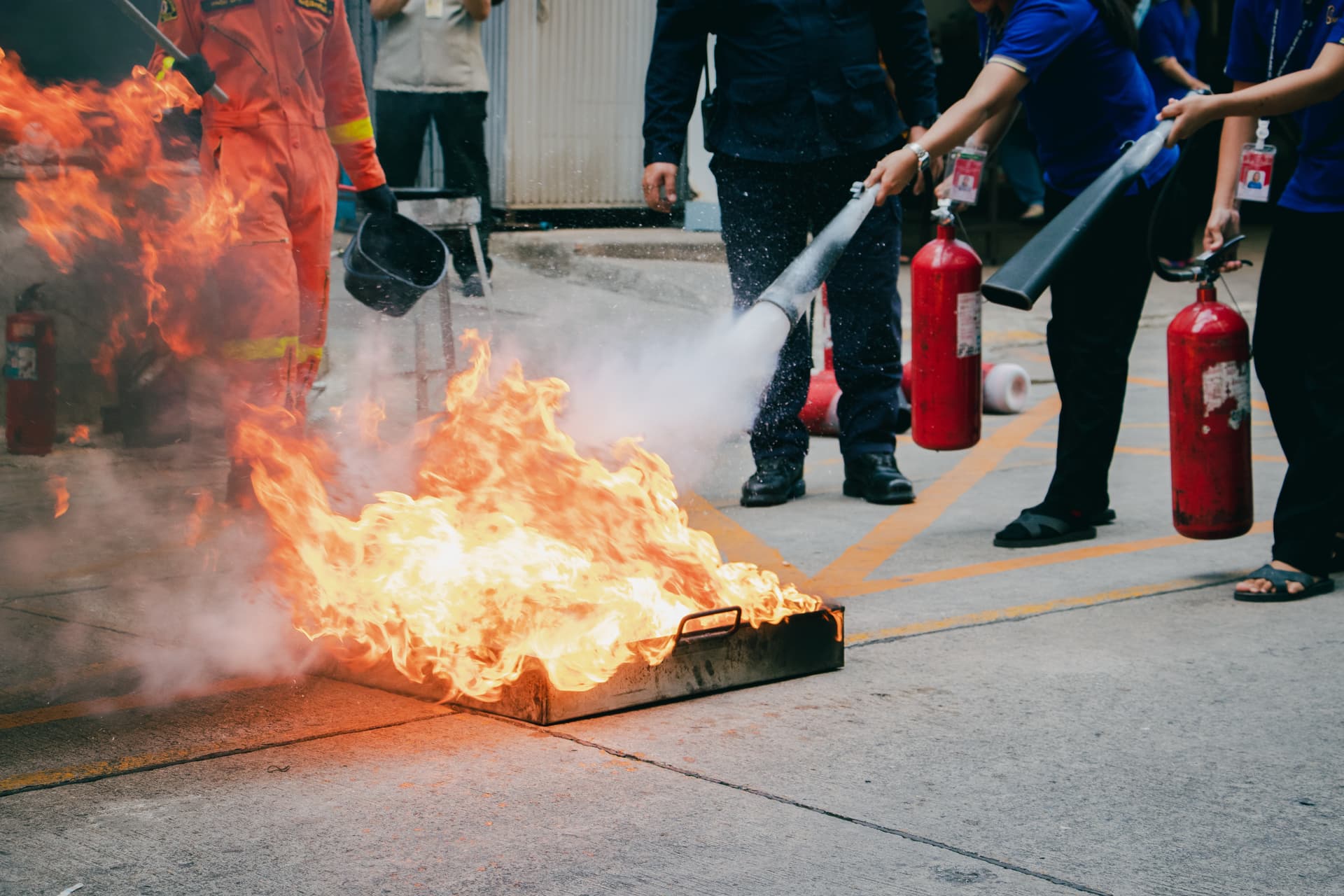
3. Fire Warden Training: Legal Requirement Ireland
The Fire Services Act 1981 requires every commercial premises to have designated, trained fire wardens. As a result, every business with staff on-site needs fire warden training in place, regardless of size or sector. Furthermore, fire warden training works well alongside fire extinguisher maintenance and fire door inspection, covering your full fire safety obligations in a single visit.
4. Working at Height and Harness
The Safety, Health and Welfare at Work (Work at Height) Regulations 2006 require employers to ensure that only competent, trained persons plan and carry out work at height. Therefore, any business using ladders, scaffolding, MEWPs, or harnesses must document this training before workers go to height. Procheck delivers working at height training alongside our harness and lanyard inspection service, a practical pairing for businesses managing equipment and compliance together.
5. Abrasive Wheels
Part 4 of the Safety, Health and Welfare at Work (General Application) (Amendment) (No. 2) Regulations 2016 requires any person who mounts, adjusts, or operates an abrasive wheel to hold a certificate of training before doing so. This obligation applies in construction, manufacturing, engineering, and agricultural settings. Notably, employers must arrange this training before the employee touches the equipment, not after an incident occurs. In addition, the certificate must stay on file and be available for inspection.
What Happens If You Ignore Training Legal Requirements in Ireland?
The Health and Safety Authority holds wide enforcement powers under the Safety, Health and Welfare at Work Act 2005. Specifically, inspectors issue improvement directions, prohibition notices, and fixed-payment notices. In serious cases, prosecution follows, with fines of up to €3 million and potential imprisonment for directors. Furthermore, poor training records significantly increase an employer's exposure in workplace injury claims. Therefore, up-to-date documentation is as important as the training itself.
How Often Must Employers Renew Training in Ireland?
Renewal intervals vary by course. PHECC rules require First Aid Response renewal every two years. Employers should refresh manual handling, fire warden, working at height, and abrasive wheels training periodically, your safety statement should set the intervals. In addition, any significant change in the workplace, new equipment, new staff, or changed work practices, triggers a review. The HSA guidance on information, instruction and training recommends that employers keep a training register and review it annually.
Frequently Asked Questions
Does every employee need all five types of training?
Not necessarily, the obligation depends on the work each employee carries out. However, manual handling and fire warden training apply to the vast majority of Irish workplaces. First aid, working at height, and abrasive wheels apply where those specific activities take place. Contact Procheck to discuss which courses your business needs.
What training records must Irish employers keep?
Employers must maintain a training register listing each employee, the course, the date, and the renewal date. Furthermore, the Safety, Health and Welfare at Work Act 2005 requires employers to demonstrate that training happened, therefore certificates must stay on file and be available for HSA inspection at any time.
How do I meet the training legal requirements Ireland sets for my business?
Procheck delivers all five courses on-site at your premises, anywhere in Ireland. We issue certificates on completion and keep full records on file. See our workplace training courses page for the full list, or contact us to request a quote.
External reference: HSA guidance on information, instruction and training in the workplace.