
Harness & Lanyard Inspection Ireland: Professional Inspection Service
When someone works at height, their harness and lanyard are the last thing between them and the ground, and that gear is only trustworthy if it has been properly inspected. Procheck provides harness and lanyard inspection for businesses across Ireland under the Safety, Health and Welfare at Work (General Application) Regulations 2007. We carry out a thorough examination of every item and tag it with the inspection date and next due date. We issue a full written report and GA3 form, maintain a register for your records, and send reminders before your next inspection is due so nothing lapses. Book a harness and lanyard inspection with Procheck.

Harness and Lanyard Inspection Ireland: Why Choose Procheck?
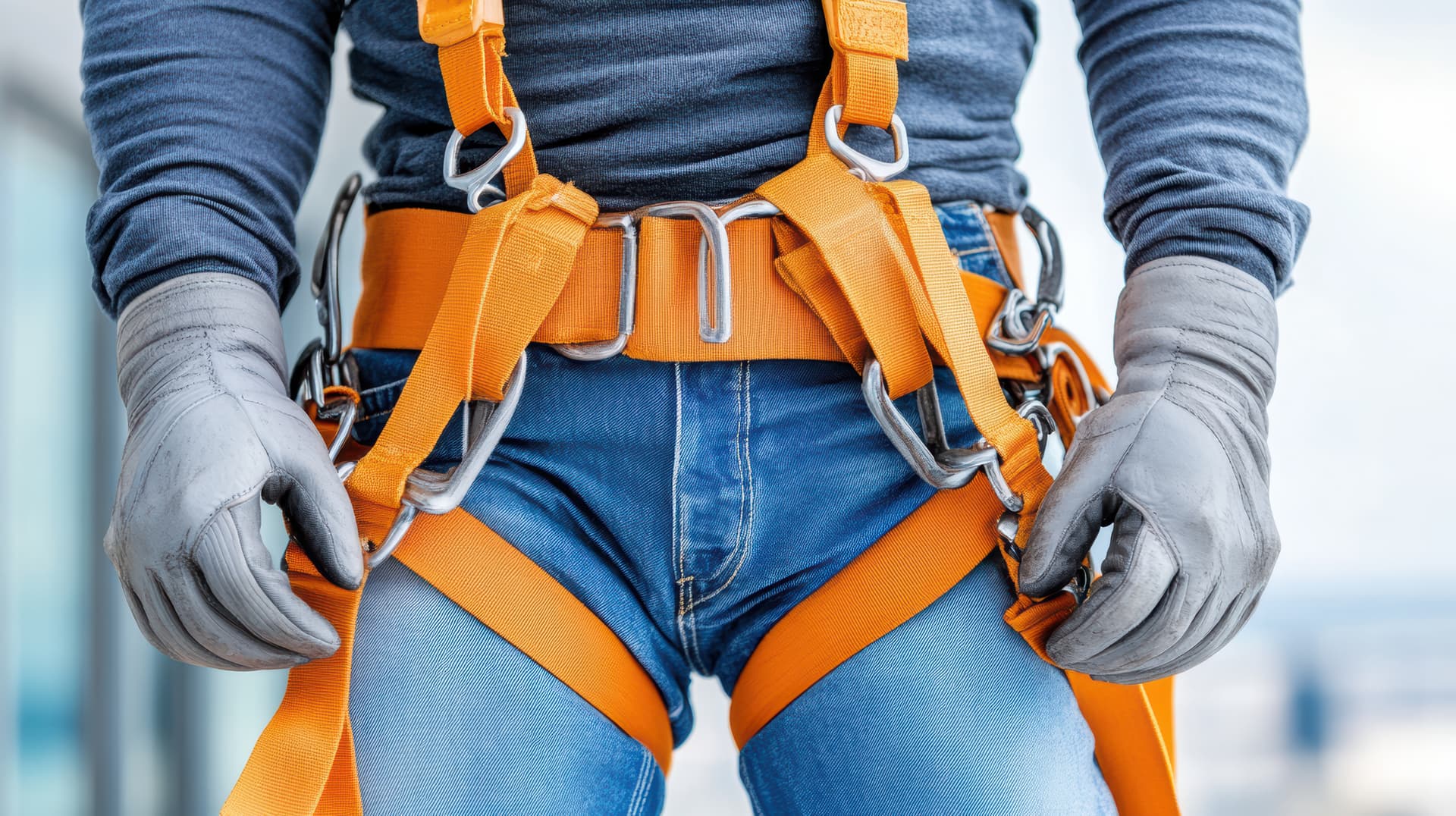
How Often Does Harness and Lanyard Inspection Take Place?
Most harnesses and lanyards need a formal inspection at least every six months. However, equipment in arduous environments needs more frequent checks. Specifically, workers in construction, steel erection, scaffolding and demolition should have their harnesses and lanyards inspected every three months as a minimum. The same applies to any equipment regularly exposed to chemicals, excessive moisture or abrasive surfaces.
Any equipment involved in a fall must also come out of service immediately, regardless of when Procheck last inspected it. A competent person must carry out a full examination before it returns to use.
Maximum Service Life: What the Standards Require
EN 361 (full body harnesses) and EN 354 (lanyards) specify a maximum service life for fall protection equipment. Most manufacturers set this at ten years from the date of manufacture, regardless of condition. Procheck checks the manufacture date on every item during inspection and flags any equipment approaching or past this limit. Once an item reaches its maximum service life, the employer must withdraw it from service and replace it, even if it passes a visual inspection. This is a point many businesses miss and one that no informal check will catch.
Harness Inspection: Snap Hooks, Buckles and Hardware
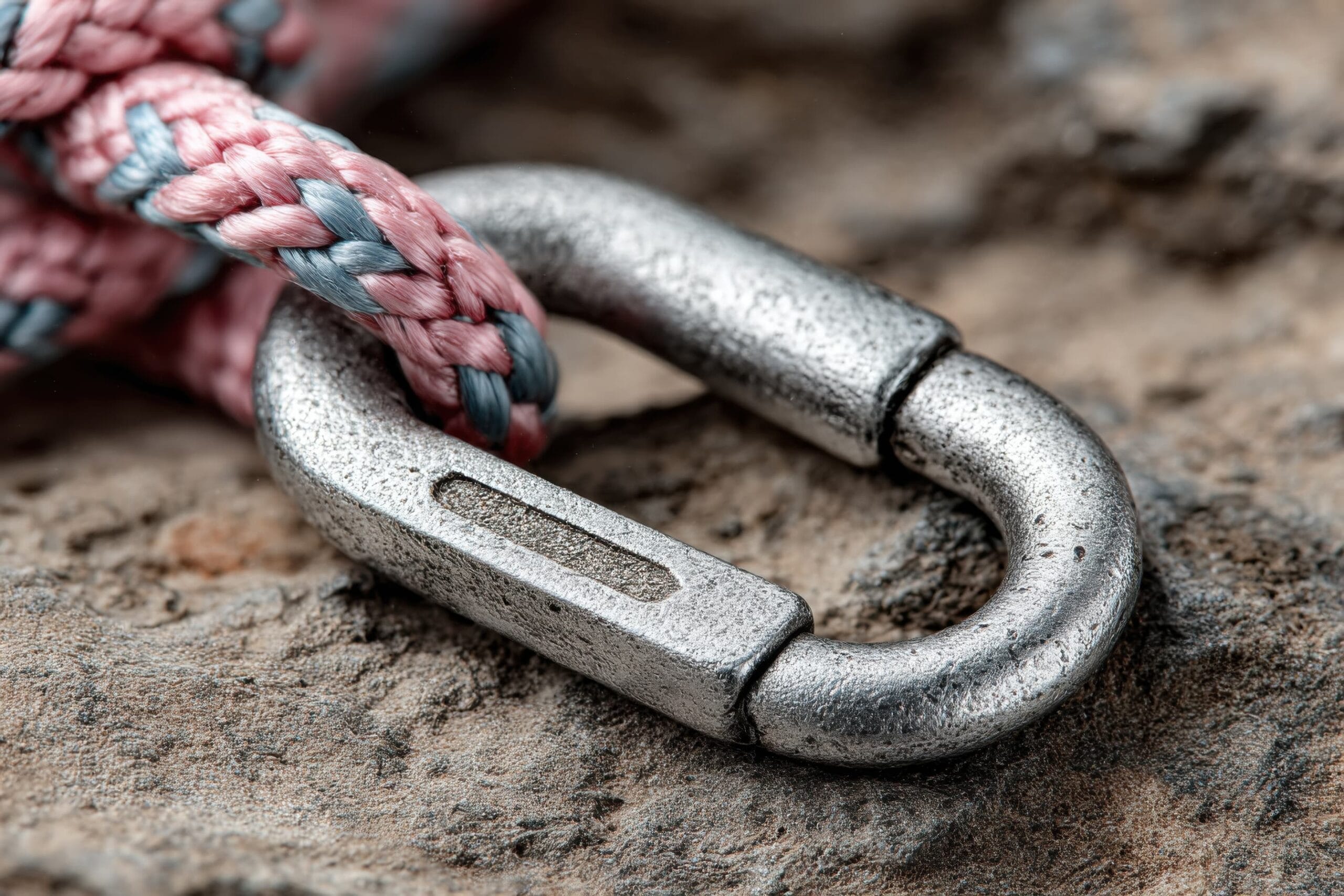
The metal components of a harness, including snap hooks, carabiners, buckles and D-rings, are just as critical as the webbing. Procheck checks every connector for corrosion, deformation and locking mechanism function during each inspection.
A single faulty snap hook can cause a fall arrest system to fail completely. Our thorough inspection process ensures every component is safe before your workers go back to height. Procheck also checks energy absorbers for deployment. A deployed absorber shows the lanyard has already arrested a fall and the employer must retire it from service immediately.


Get a Free Harness & Lanyard Quote
All inspection records are stored in Procheck Hub, so your compliance documents are ready whenever an auditor or insurer asks.
Harness & Lanyard Inspection: Frequently Asked Questions
Yes. The Safety, Health and Welfare at Work (General Application) Regulations 2007 require employers to keep all PPE including harnesses and lanyards in good condition, with a competent person inspecting them regularly, so any business where workers use fall arrest equipment needs to arrange regular inspections. Read the full legal breakdown here.
Most harnesses and lanyards need formal inspection at least every six months, while equipment used in construction, scaffolding or other arduous environments needs inspection every three months. Find out more about inspection frequency.
The GA3 form, also known as a GA3 report, is the HSA inspection record issued after a competent person carries out a thorough examination of work equipment used at height, and Regulation 119 of the General Application Regulations 2007 requires employers to keep it on file. Read more about GA3 forms.
Procheck inspects webbing, stitching, buckles, snap hooks and energy absorbers on every item, while also checking serial numbers and manufacture dates to confirm the equipment is within its service life under EN 361 and EN 354. Read more about what our inspections cover.
Contact Procheck. We are based in County Mayo, cover businesses nationwide and therefore carry out harness and lanyard inspections on site, issuing GA3 forms, tags and full written reports on completion. Contact us to request a quote.